SourceCampaign News
KMT passes 20,000 cash handout proposal, despite TPP opposition
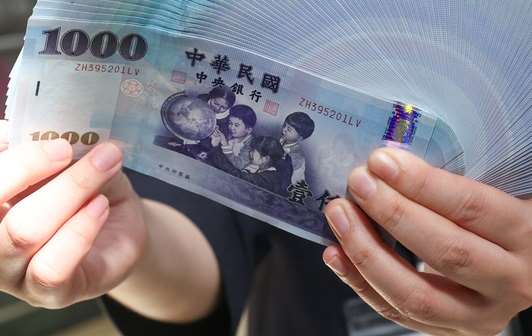
The KMT’s proposed NT$20,000 (about US$600) universal cash handout passed in the legislature, even after the TPP broke with the KMT to oppose it. Legislative Speaker Han Kuo-yu (韓國瑜) put the bill to a floor vote, where it narrowly passed with 13 DPP lawmakers absent for the vote.
The bill was part of a greater effort by the KMT, which seeks to establish a permanent legal framework for cash handouts. A TPP spokesperson said the party would support the bill if it were institutionalized through amendments to the Budget Act.
Originally, the handout was announced by President Lai Ching-te (賴清德) on August 17, at NT$10,000 (about US$300), resulting from a budget surplus. However, the KMT suggested doubling the amount, under the proposed Public Sharing of Economic Achievements and Stabilizing People’s Livelihoods Special Act. That legislation passed its first reading on October 16.
On Friday, TPP caucus whip Jacky Chen (陳清龍) explained that, while his party supports sharing the surplus with all, it should not add debt, which doubling the payout will do. He said it should comply with fiscal discipline principles and the Budget Act. Chen said, “We must prioritize the rule of law, so we will oppose the special act of an NT$20,000 cash handout. The TPP caucus will emphasize that today’s ‘red envelope’ mustn't become tomorrow’s bills for the next generation to pay. If we rely on borrowing to fund these handouts, it is both unfair and irresponsible for the younger generation.”
Finance Minister Chuang Tsui-yun (莊翠雲) also attended the meeting. She noted that to fund the increased amount, the central government would need to borrow approximately NT$385.7 billion (about US$11.7 billion).
DPP caucus chief executive Chuang Jui-hsiung (莊瑞雄) said that this year local governments are already taking more than last year from the projected tax surplus. That’s due to revisions to the Act Governing the Allocation of Government Revenues and Expenditure. This reduces the amount given to the central government. At the same time, the central government is responsible for footing the bill for the cash handout – which this proposal doubles.
He accused the KMT of trying to force the bill through in an effort to improve their election prospects, without thinking about where the money will come from. Chuang said, “What we in the DPP are concerned about is this: given the additional tax revenue generated over the first 10 months – NT$850 billion – NT$460 billion of which is going to local governments, leaving NT$390 billion for the central government. Given the central government’s existing obligations, won’t this crowd out other spending?”
As a consensus could not be reached, Han announced that the bill would be handled according to legislative protocol. When brought to a floor vote, the bill narrowly passed in a 50-46 vote, with 13 DPP lawmakers absent.